Typically responds within
A couple of days
Vacancies
Taking enrolments
Our Vision - Whakakitenga
A leading Early Childhood Education service in Opunake that provides innovative education that meets the needs of our community.
Our Mission - Te Uaratanga
To maintain our high standards of innovative education and be a leading Early Childhood Education Enviroschool: educating and supporting our tamariki and the Coastal Opunake community in Environmentally Sustainable practices to ensure Aroha and Empathy for Paptuanuku
Philosophy
H Health Healthy minds and bodies
E Empathy Empathy is to be able to identify with and understand another persons feelings, situation and motives
A Aroha Aroha is love and acceptance
R Resilience Resilience to cope with our changing society
T Tikanga Reflecting our strong cultural values.
Why are we bicultural?
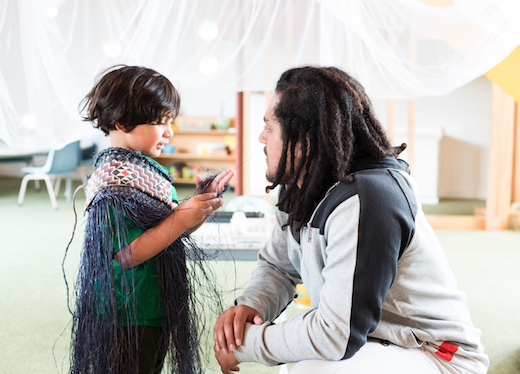
As a centre, both staff and Goverance have committed to creating a bicultural learning environment for our children, because as New Zealanders, Maori culture is a huge part of our nations identity. Being bicultural is a clear part of our philosophy and also a requirement of the Ministry of Education. We value Maori culture and will promote this within our centre. Our philosophy states "We embrace te o Maori, promoting and affirming te reo (language), tikanga (customs and traditions) and the kawa (protocol) of our community."
What can you expect to see in our centre?
Children will be given the opportunity to participate in many activities that we have designed to introduce them to, or build upon their knowledge of Maori culture, protocols and values. Some examples of our bicultural environment and curriculum are: We say a karakia (grace) before eating, we learn our Kindy waiata (song), we learn arts and crafts; such as flax weaving, poi making, kanikani (dance). Lots of te reo is spoken during the day; through mihimihi, commands, questions, welcomes and farewells, and requests. The kindy environment reflects our bi-cultural country, with Maori language, symbols, artwork and positive role models represented.